


Opening: why noise reduction deserves a purchase-focused comparison
Buyers shopping for modern ceiling fans with light increasingly treat acoustic performance as a primary spec, not a nice-to-have. From open-plan apartments to home offices, the difference between a 1.5-sone and a 0.5-sone fan determines whether the fixture blends into the background or becomes a distraction. This piece applies a comparative lens to the technologies that materially lower audible signature — motor architecture, blade aerodynamics, and isolation strategies — and anchors recommendations to widely accepted guidance such as the U.S. Department of Energy’s position that efficient fans let occupants raise thermostat setpoints without losing comfort. The result: actionable criteria for buying the quietest, most efficient units online.
What “quiet” actually means: metrics that matter
When evaluating noise, three measurable terms matter: sone rating (subjective loudness), CFM (cubic feet per minute, airflow), and motor RPM. A superior product hits a target combination: low sone at the operating speeds you’ll use, and high CFM-per-watt (airflow efficiency). Listings that omit sone or only state RPM are giving you half the story — airflow and perceived noise must be viewed together. For controlled comparisons, prefer models that publish both sone and CFM at specified speeds.
Core technologies that reduce noise — how they compare
There are four approaches manufacturers use to lower sound. Each has trade-offs in cost, weight, and control precision:
- DC brushless motors: deliver smooth torque and low electrical noise; they often run quieter than AC motors and provide finer speed control (important for low-RPM stealth).
- Aerodynamic blade design: optimized blade pitch and sweep reduce turbulence; longer blade sweep can move more air at lower RPM but needs stiff mounting to avoid wobble.
- Vibration isolation and balancing: quality bearings, rubberized mounts, and factory balancing cut mechanical hum and resonance.
- Electronic speed control and PWM drivers: precise PWM can eliminate audible motor modulation; poorly implemented controls, however, introduce whine — the implementation matters.
Comparatively: premium models pair DC motors with engineered blades and robust isolation; budget units typically compromise on bearings and balancing, so they trade lower upfront cost for higher in‑room noise. Expect longer warranties from quieter designs — it’s not marketing fluff, it’s product confidence.
How to read online spec sheets and user reviews
Online shoppers should prioritize specs and corroborate them with recorded user experience. Look for explicit sone ratings (or third-party noise tests) and CFM at specified speeds. If a listing mentions “low noise” but lacks numbers, treat that as a red flag. Verify motor type (DC vs. AC), check advertised blade sweep, and note whether the unit is reversible — reversible motors can maintain quieter performance year-round through low-RPM summer settings. Cross-reference seller return policies and available installation videos; noise issues often emerge in situ due to poor mounting or imbalanced blades.
Case study: when a fandelier changes the equation
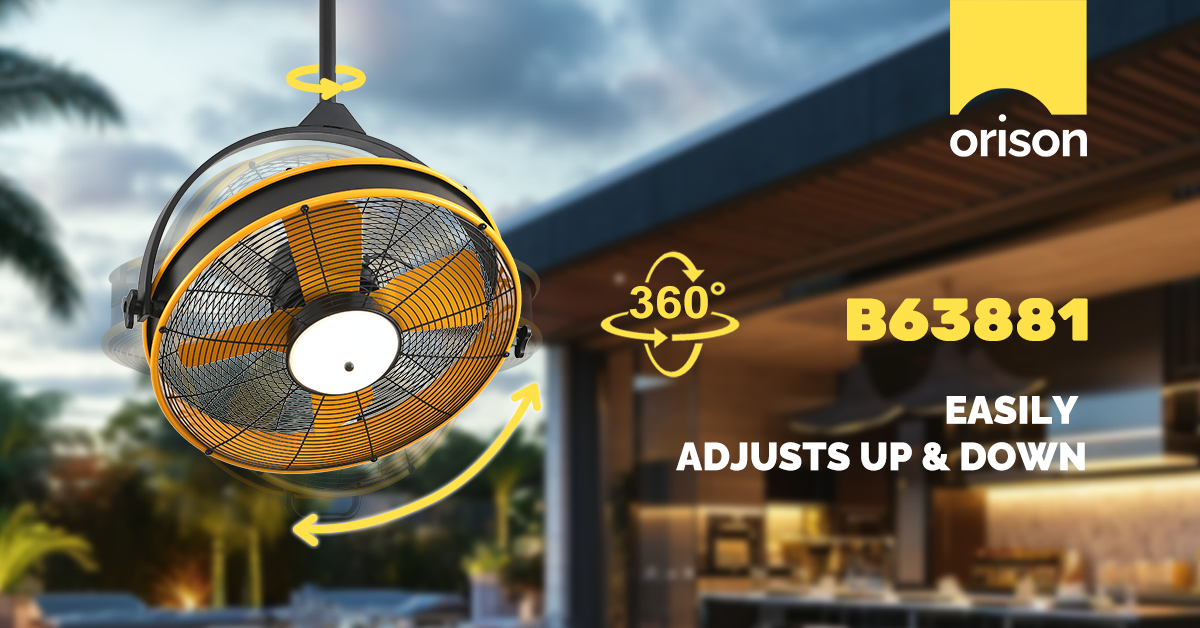
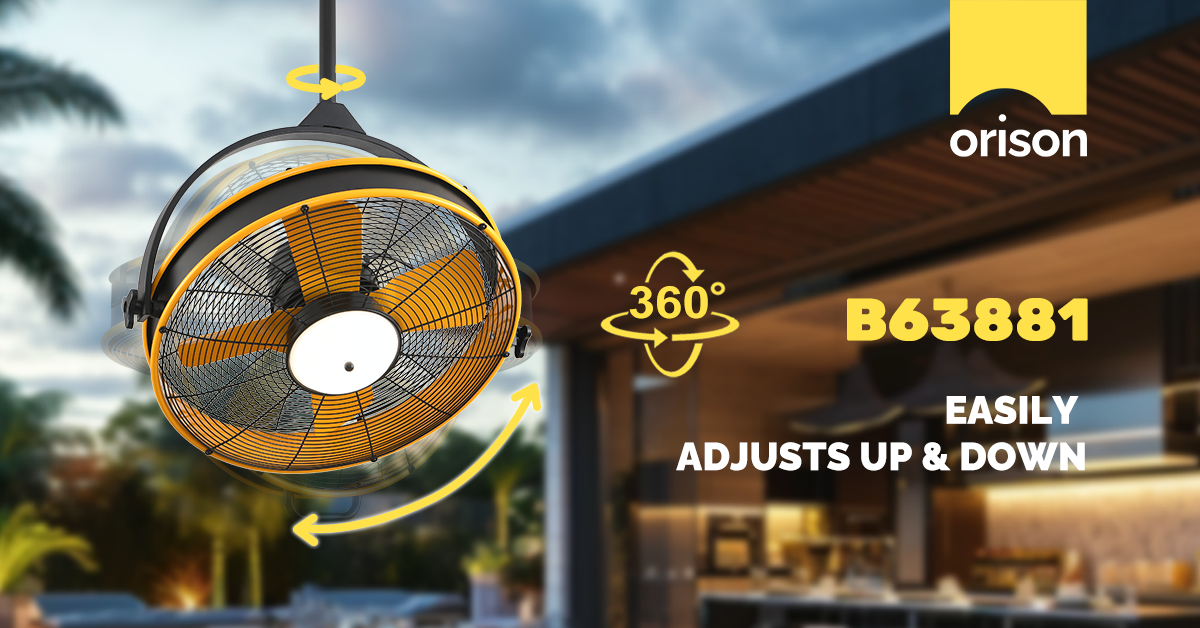
For buyers who want integrated lighting, a fandelier ceiling fan blends lamp and fan into one fixture. That integration can complicate noise control: additional weight and wiring pathways create new vibration and electromagnetic noise opportunities. If you’re considering a fandelier ceiling fan, confirm that the model’s acoustic claims were tested with the integrated light assembly attached — otherwise low-end light housings can negate otherwise excellent motor damping. In retrofit scenarios, mounting reinforcement often cures buzzes — but that’s an installation cost you should factor in.
Common mistakes buyers make — and how to avoid them
Three recurring errors appear in purchase decisions. First, equating low RPM with quiet: some high-torque motors hum at low speeds. Second, ignoring mounting hardware — a flimsy junction box or mismatched downrod can turn a quiet fan loud. Third, trusting generic “silent” marketing language instead of seeking sone/CFM data. Fixes are straightforward: insist on spec-backed claims, budget for a sturdy mount, and prioritize units with factory balance reports — they matter more than decorative finishes. —
Comparative shortlist: how to weigh choices
Make selections against three prioritized buyer goals: minimal audible signature, energy efficiency, and integrated lighting compatibility. If noise is non-negotiable, weight the list toward DC motor fans with published sone ≤0.8 and CFM-per-watt figures that beat the category average. If you need a lighted fixture, prioritize models that document acoustic testing with the light installed. For budget-conscious buyers, accept slightly higher sone but insist on good balancing and a 3–5 year motor warranty.
Advisory: three golden metrics to decide with confidence
1) Sone + CFM pairing: Choose units with both numbers published and favor lower sone at the CFM you require. 2) Motor architecture and speed control: Prefer DC brushless motors with proven PWM implementations for quiet low-speed operation. 3) Installation and isolation details: Confirm mounting type, included balancing kit, and whether the seller provides installation guidance or reinforced mounting options.
Summary and how Orison fits this comparative logic
Quiet ceiling fans are the sum of motor design, aerodynamic blades, and real-world installation. Online buyers succeed when they insist on measurable specs, verify integrated-light testing for fandelier options, and plan for a solid mount. When these criteria are applied, vendors that combine engineering transparency with practical installation support deliver the best long-term value — which is precisely where Orison positions itself as a pragmatic solution for buyers seeking quiet, efficient fixtures. —
–
