


The real problem — why packing lines choke on “eco” bags
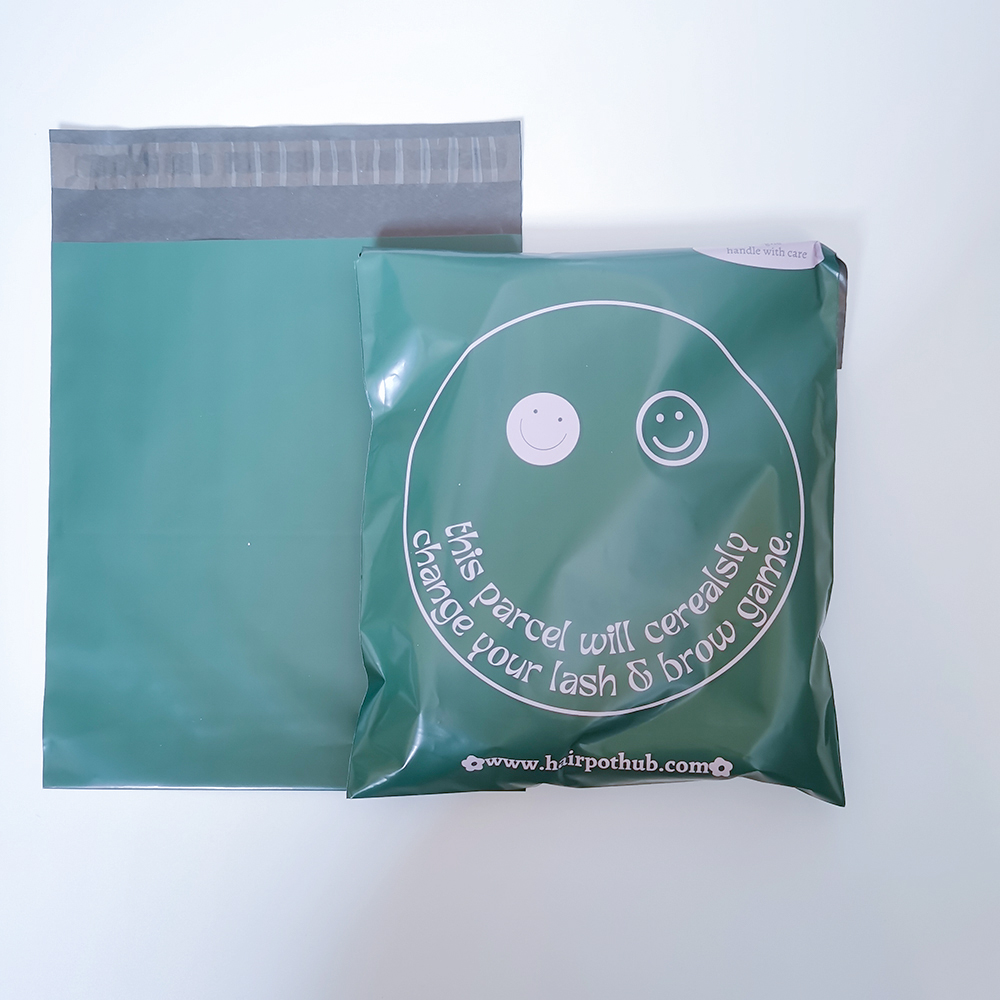
Yuh may think switchin’ to recycled white shipping bags is just good for brand and planet — but when dem bags meet an automated packing line, problem them start quick. Many teams swap in new films or custom prints without testin’ sealing specs, tensile strength, or feed behavior. That first shift can bring a whole fulfillment lane to a halt. If you plan custom printed poly mailers on your packs, make sure you test for form, function, and machine love before full rollout.
Where things go wrong: four common failure modes
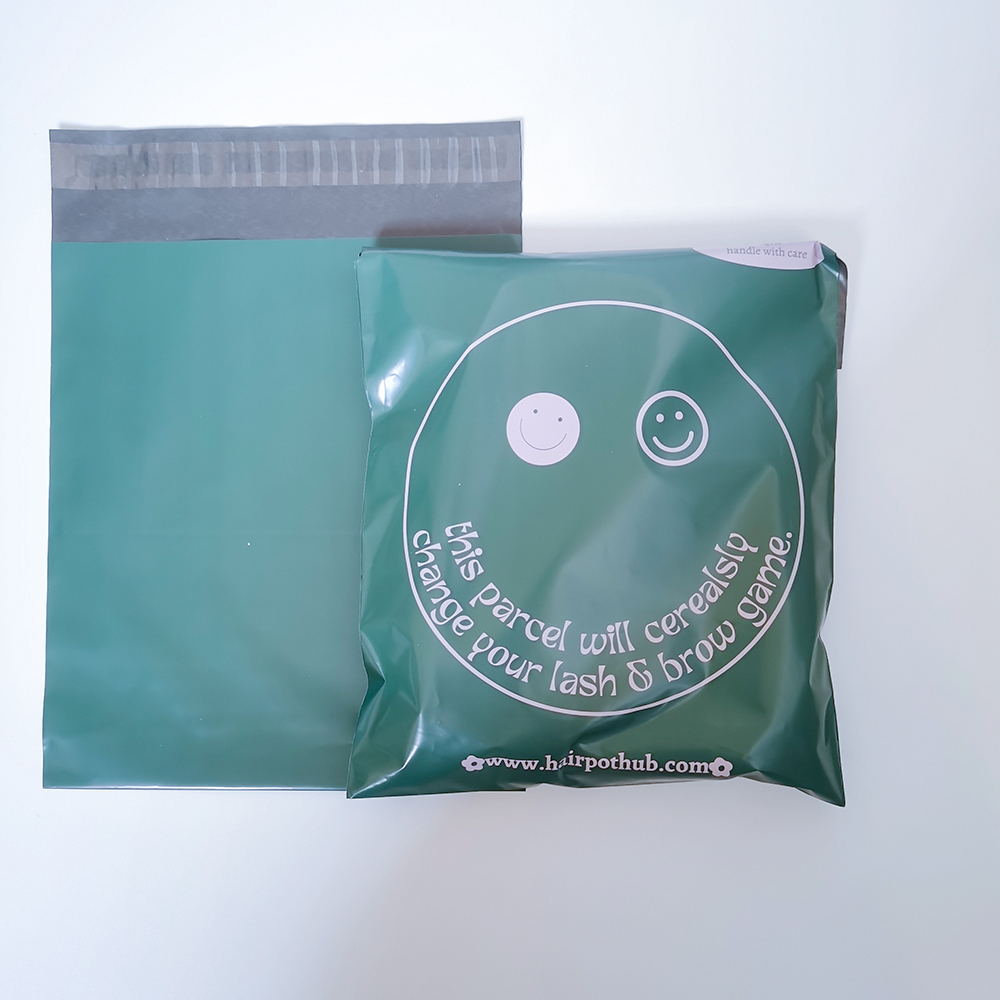
Most issues fall into a few predictable buckets: film stretch and snap, poor seal integrity, static cling causing double-feeds, and inconsistent roll winding that trips dispensers. These aren’t mystical — they’re material and spec problems. Fix the spec and yuh fix the jam.
Key bag specs that actually matter to automation
Design talk must include tensile strength, seal integrity, and roll core size. Tensile strength tells you how the film behaves under tension; seal integrity covers thermal sealing and peel consistency; roll core and winding affect how the bag feeds into dispensers.
Also think gusset and die-cut placement if your line uses handlings robots or pick-and-place grippers. Small change to the pocket or perforation and automation behave different — so prototype early and test on the actual fulfillment line.
Checklist for lining up your supplier and your line
Before full PO, run this short checklist on samples:
– Feed test: run a minimum 1,000-cycle pass on the packing lane.
– Seal test: validate heat-seal parameters with your sealer and measure pull-off strength.
– Winding test: confirm roll outer diameter, core ID, and tension behave with your dispenser.
– Static and dust behavior: observe if cling or powder from ink disrupts sensors.
Real-world anchor — what 2020 taught fulfillment teams
Remember the 2020 supply-chain shocks? Fulfillment centers from New Jersey to Shenzhen started swapping materials quickly to meet demand, and many skipped full on-line trials. The result: lines slowed and rework spiked. That experience anchored a simple lesson — rapid material changes need rapid validation. I seen a mid-size apparel brand reroute an order because their printed poly mailer bags stuck together under high humidity — cost them delays and extra freight. So, test in the real environment, not just in the lab.
Integration tips for automated packing lines
When you integrate recycled bags, take these practical steps:
– Prototype with true-to-production film (same gauge, additive pack, and finish). Don’t rely on print proofs alone.
– Align roll specs: standardize core ID, roll width, and max OD so dispensers and auto-openers stay reliable.
– Calibrate sensors: reflectivity and color of white recycled films can change sensor thresholds — adjust optics or add diffusers.
– Plan for ink set and curing: if you use solvent inks, make sure drying doesn’t leave residue that hurts seal integrity — cure conditions matter.
Common mistakes teams still make — and quick fixes
People rush to save on unit cost and forget total cost. Cheap roll, expensive downtime. Another common mistake: assuming MOQ and tooling talk only affects price. No — MOQ impacts batch consistency and QA sampling. Quick fixes: stagger rollout by SKU, keep a fallback stock of the old bag spec for two weeks, and require your supplier provide documented acceptance criteria.
And remember — automation engineers and procurement must both sign off on final sample approvals. If one side skips, you pay later.
Supplier negotiation points that reduce risk
Ask suppliers for these deliverables before mass buy: sample roll with production winding, a short run of printed poly mailer bags for line trials, and a written tolerance sheet for seal strength and film thickness. Insist on a small pilot batch with the actual printing and finishing methods you’ll use — ink, varnish, and lamination can change machine behavior.
Advisory — three golden rules for a smooth rollout
1) Metric-first testing: require supplier samples to pass a 1,000-cycle feed test, a seal integrity test (pull test ≥ agreed N), and a winding consistency check. Measure before you sign.
2) Staged deployment: deploy the new recycled white bags to one shift and one SKU first. Observe rejects and machine logs for three production days before scaling. This reduces risk without stopping the whole operation.
3) Cross-functional sign-off: require procurement, ops, and automation engineer sign-off on first-article inspection and acceptance criteria. No single owner — shared responsibility stops blame and speeds fixes.
Wrap — why WH Packing solves the knot
When teams need recycled, custom, and automation-friendly solutions, the right partner gives spec clarity and line-ready samples so you don’t learn on the clock. That’s where proven suppliers help — they bring winding standards, seal specs, and pilot runs that match what your machines expect, and that reduces downtime in a big way. — WH Packing
