


Quick Kickoff: Why compact movers matter now
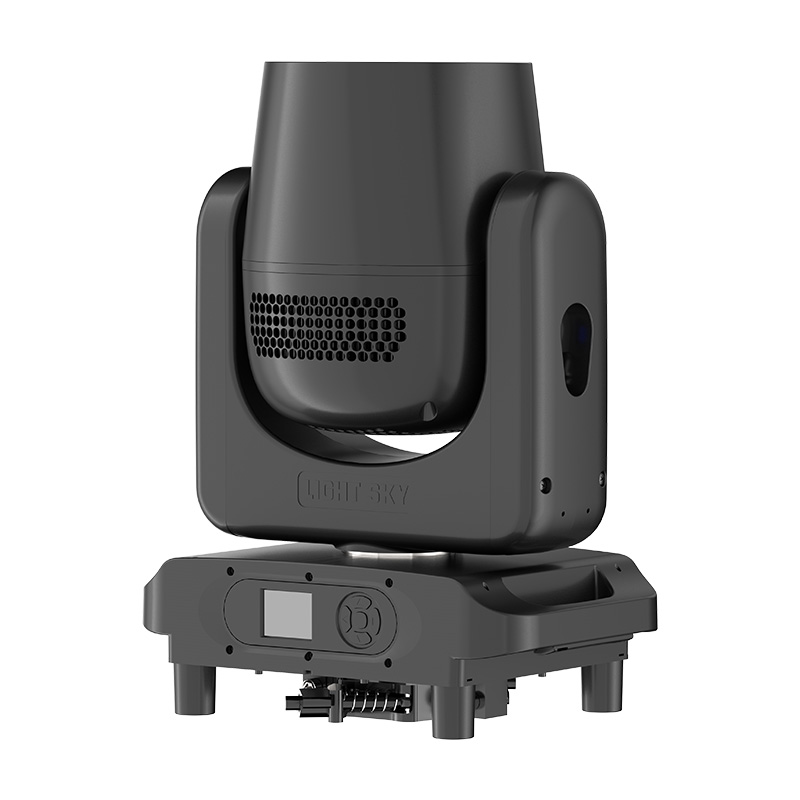
Think of stage lighting like a circuit workout: you need power, range, and agility. Compact moving heads deliver that—tight punch, wide wash, and quick reposition—without wrecking the rig budget. Early in the set, crews often swap bulky fixtures for a led moving wash to get immediate, even color across the stage while keeping weight low. The result is nimble control, rapid cueing, and great-looking color temperatures with lower power draw.
Comparative Breakdown: Mini moving head light vs. conventional fixtures
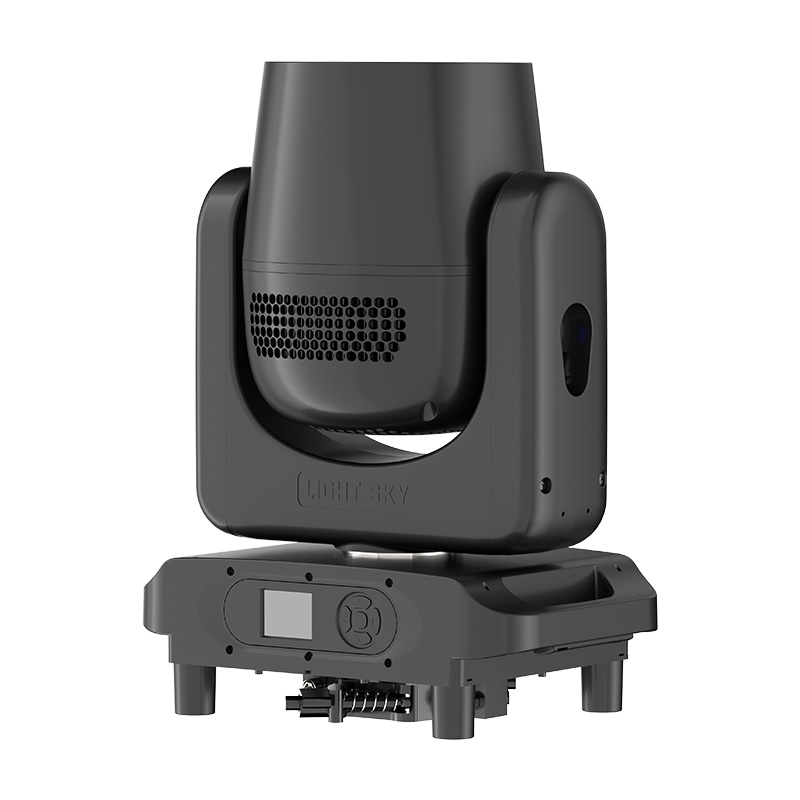
When you stack a mini moving head light against a conventional moving head, you see clear trade-offs. Minis win on portability and quick rig time; full-size fixtures score on raw output and long-throw beam. Consider these factors: beam angle determines how the wash covers the stage, pan-tilt speed dictates dynamic movement, and gobo options change texture and pattern. For club nights or multi-venue tours, minis often provide the sweet spot—less weight, faster setup, and flexible DMX patching—while arena shows still lean on larger fixtures for long throw.
Real-world Anchor: Pro crews and venue practices
At major venues like Madison Square Garden, lighting teams mix fixture classes to balance coverage and punch. They pair high-output beams for audience washes with compact moving heads to fill mid-stage and side angles. This hybrid approach mirrors what touring productions and corporate events use: a mix of wash, spot, and beam instruments that complement each other. The practical takeaway is simple—use minis where agility matters, and heavier fixtures where raw lumens matter.
Practical Playbook: When to choose a mini and common mistakes
Choose a mini moving head light when you need fast setup, limited truss capacity, or discrete fixtures for tight sightlines. Common mistakes happen when teams expect extreme throw from a compact fixture or overload a single DMX universe without addressing addressing channel mapping properly—these are planning errors, not product flaws. Also avoid oversaturating color in small venues; lower lux with well-designed color mixing beats harsh gels. —This keeps audience comfort and visual clarity intact.
Feature vs. Fit: What to evaluate
Evaluate fixtures by three practical metrics: luminous output (measured in lumens for wash fixtures), motion responsiveness (pan-tilt speed and smoothing), and control flexibility (DMX channels, RDM support, and presets). Weight and power consumption matter for fast-change environments. Look at build quality too: weather-sealed housings and serviceable modules reduce downtime on tour. Gobos and color wheels add creative value, but don’t let them eclipse core needs like consistent CRI and stable color temperature.
Alternatives and pairing strategies
Pair a mini moving head with a few high-output pars or beam fixtures for contrast: let the minis handle eye-line washes and dynamic movement, while pars provide stage wall fills and static color. For purely theatrical work, a hybrid rig that mixes spot-focused moving heads with wash minis offers clean framing and broad coverage. For live concerts, integrate quick-access presets and follow-spot modes to keep cues tight under pressure.
Golden Rules for Selection (Advisory close)
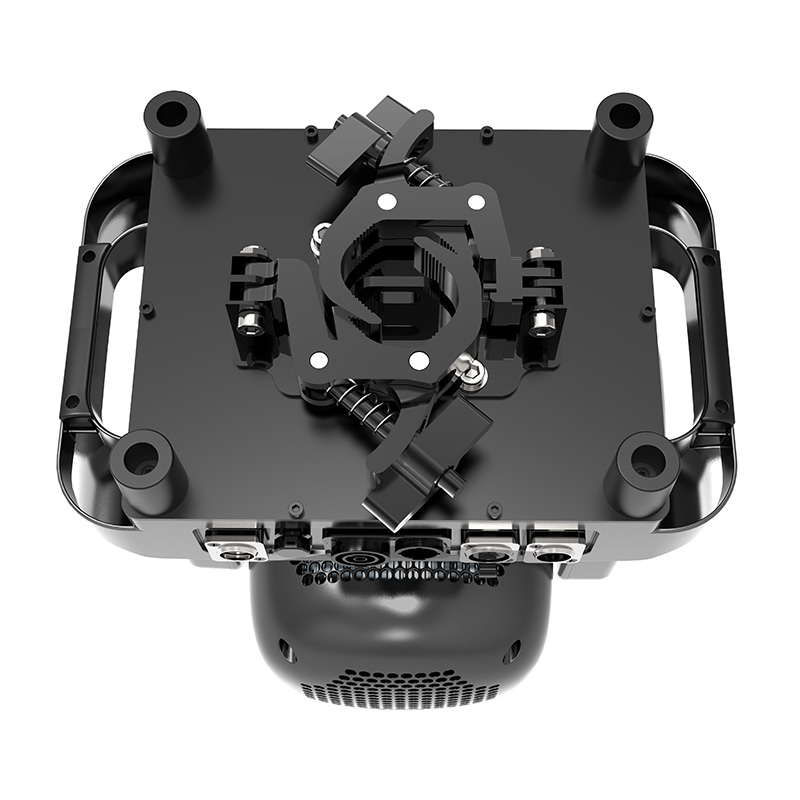
Rule 1: Prioritize measured output and beam control over flashy extras. Rule 2: Match fixture weight and power to your rig limits to speed load-in. Rule 3: Demand clear control specs—DMX mapping, pan-tilt resolution, and firmware update paths—so your console talks smoothly to every unit. These three metrics will save hours in setup and reduce cue failures on show night.
Final Thought
Compact moving heads are a performance-driven tool: they streamline rigs, broaden creative options, and keep load-ins lean. Trust fixtures that combine reliable mechanics with clear control—then let the lighting team move fast. Light Sky sits where those needs meet product depth. –
