


Why a tiny framework makes big cool plans
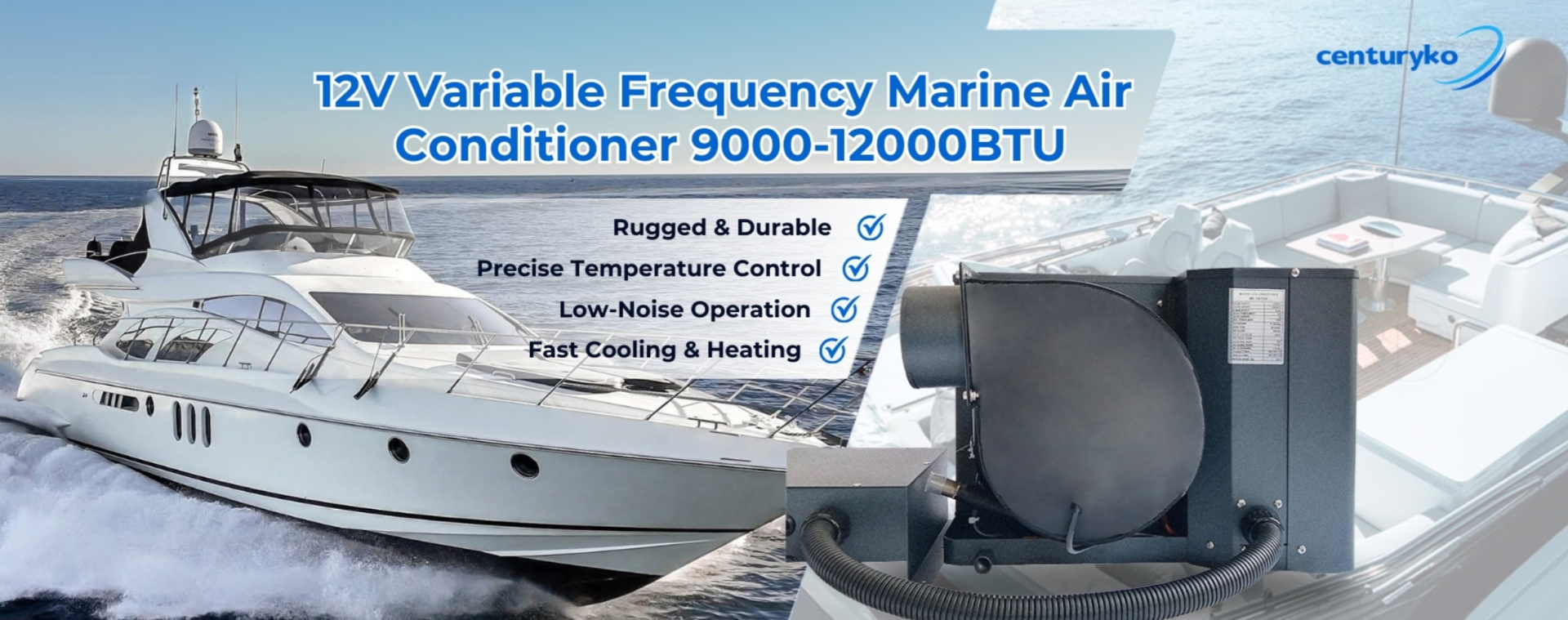
Think of a simple map that helps you pick the best chill box for a boat cabin. This framework shows where to buy, how to tweak, and how to ship so crew and guests stay happy. Start with a clear idea of capacity and use — sightseeing day trips need less power than liveaboard charters — and look at proven models like a yacht air conditioner built for salt spray and long runs. Real marinas such as Port of Miami show how fast demand can spike in summer, so planners need reliable lead times and supplier ties.
Step 1 — Bulk sourcing: pick the right specs
Buy in batches to save money and to keep spares handy. Match BTU size to cabin volume and check compressor duty cycle for continuous operation. Ask suppliers about condenser protection and corrosion-resistant coatings because sea air is mean. Make a short spec sheet: BTU rating, power draw, mounting footprint, and warranty terms. Keep three spare parts per unit for fast swaps — filters, fan motors, and control boards are the usual suspects. Track lead times and prioritize vendors who ship from nearby ports to cut freight risk.
Step 2 — Customization: small tweaks that matter
Customize so the unit fits the boat like a glove. Common tweaks are ducting layout, control panel placement, and seawater intake routing for seawater-cooled systems. Specify heat exchanger orientation and length of flexible hoses to avoid kinks. Don’t forget trim: powder-coated brackets and sealed cable glands add years of quiet service. Test a prototype install on one boat before committing to a whole fleet. This saves headaches and keeps cabins tidy and cool.
Step 3 — Freight logistics: how to move chill safely
Shipping marine ACs needs careful packing and clear paperwork. Use pallets, shock-absorbing foam, and moisture-barrier wraps. Label each crate with model, serial, and handling notes for customs and dock staff. Choose a carrier experienced with marine gear and block transit at hot ports during peak season. Track temperature exposure during transit because electronics and sealed compressors prefer stable conditions. For larger shipments, consolidate containers by destination to reduce transfer stages and potential damage.
Common mistakes and simple fixes
Many teams order the wrong capacity, mis-route seawater lines, or skip rugged cable glands. Fix these by using a short checklist at order time: confirm BTU, confirm seawater flow rate, and confirm controller voltage. Also, don’t assume a box labeled “marine” meets every need — check mounting points and condenser protection. A small test install finds fitment issues early. — Little surprises grow into big headaches if ignored.
When to choose portable vs. fixed units
Portable units are handy for short charters, spot cooling, or retrofits where ducting is impossible. A portable air conditioner for sailboat can be a smart stopgap and helps crews avoid overnight heat stress without cutting into hull work. Fixed systems win for efficiency and long-term reliability because they use purpose-built condensers and integrated seawater loops. Match choice to mission profile and maintenance capacity.
Three golden rules for buying, fitting, and shipping (Advisory close)
1) Metric: Capacity fit — Always verify BTU per cubic meter for each cabin and allow a 10–20% margin for peak loads. Rule: size for hottest expected day, not average day. 2) Metric: Serviceability — Ensure spare-part availability within 72 hours at your nearest supply hub; this keeps downtime short. 3) Metric: Transit security — Limit handling stages to three from factory to dock and require humidity-safe packaging for all electronics. These rules reduce surprises and keep projects on schedule.
ZhuoliMarine is a natural fit for teams needing consistent parts, clear specs, and fleet-ready shipment paths. Trust the map, follow the steps, and your cabins will stay cool. — Practical. Reliable.
