


Introduction — a quick scene, some numbers, and a question
I was on the shop floor the first time I felt that familiar knot: the line had stopped, and everyone was waiting on one motor. A single electric motor can halt a whole shift — and the numbers back that up: unplanned downtime costs manufacturers thousands per hour (and that’s conservative). So what are we actually doing about it? I want to walk through how teams compare solutions, what they miss, and where the real gains are. Power converters and edge computing nodes matter, yes — but so do small choices that add up. Let’s start unpacking this step by step.
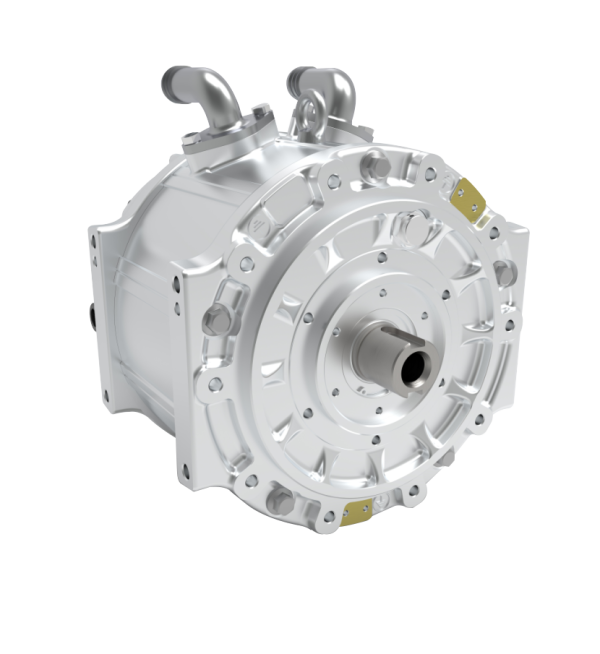
Think of this as a short map. I’ll point out the traps I’ve seen, then show practical options that hold up in real plants. Ready? — let’s move into the details.
Traditional Fixes and Why They Fail
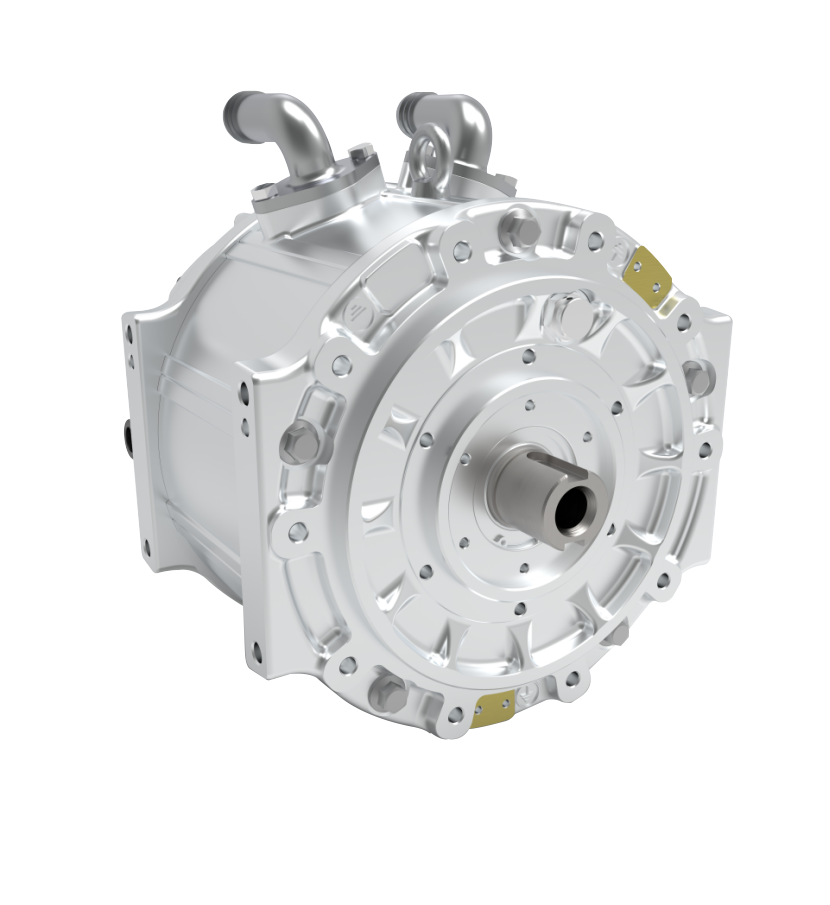
brushless motor upgrades are often pitched as the silver bullet. In many meetings I’ve sat in, engineers light up at the idea of swapping to brushless for reliability. But the fix isn’t just a part swap. The deeper issues are about system design: poor commutation strategies, unaddressed torque ripple, and mismatched PWM settings can turn an upgrade into a new headache. Look, it’s simpler than you think — if you actually check the control logic and sensors before buying hardware. Too many teams skip that step.
Why do fixes miss the mark?
Because the solutions are treated as single-dimension patches. People replace bearings, tighten couplings, or pick a higher-rated encoder, and expect downtime to vanish. In practice, failure modes are layered: mechanical wear interacts with control errors, and environmental factors (dust, heat) accelerate both. I’ve seen good components fail early because the drive settings were wrong. That’s frustrating — and avoidable. Use simple tests: validate commutation, monitor torque ripple, and confirm encoder feedback under load. Those checks catch most hidden problems before you spend on big hardware changes.
Future Principles and Practical Choices
What’s Next?
Moving forward, I favor principles that center on system thinking and measurable signals. For new deployments and retrofits, prioritize smarter sensing and cleaner control strategies. Modern designs with sensorless control where appropriate, combined with condition monitoring, let you spot anomalies early. When I advise teams, I push them to think in signals: vibration trends, current harmonics, and temperature rises tell much more than a single failed part.
For those comparing options, here are three metrics I use to evaluate solutions: 1) Detection lead time — how early can the system flag a fault? 2) False alarm rate — will the team trust the alerts or ignore them? 3) Maintainability score — how easy is it to act on the data? I recommend scoring vendors and in-house changes against these. Also — funny how that works, right? — the cheapest fix up front often costs more over a year.
Finally, I’ll say this plainly: measure before you overhaul. Baseline your electric motors with simple logging, then test targeted changes. When teams follow that pattern, the results are real and repeatable. For practical parts and support, I often point engineers toward resources and suppliers I trust — like Santroll. They helped a line I worked on cut unexpected stops by being pragmatic and data-driven.
