


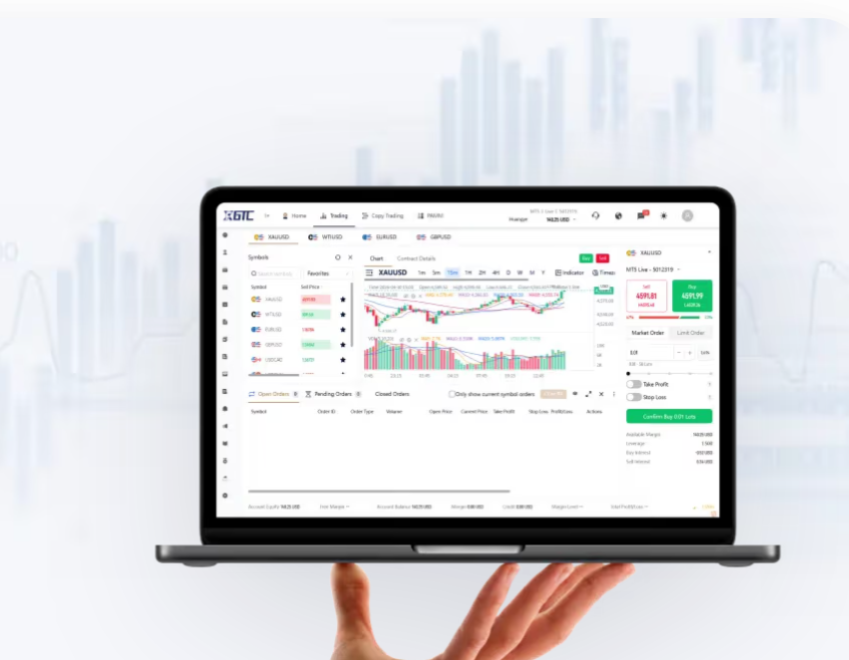
Introduction — scope and immediate comparison
Execution reliability is measurable: order fill rates, slippage distribution, and latency percentiles determine portfolio outcomes. This comparative analysis focuses on how execution mechanics differ across platforms for commodities cfd and how those differences propagate into risk metrics used by portfolio managers. The real-world anchor is the April 2020 WTI futures episode when prices briefly turned negative; that event exposed execution and liquidity fragilities that are directly relevant to CFD exposure and margin management.
Platform comparison: core execution vectors
Three execution vectors are examined: price discovery (order book depth), execution latency (milliseconds to fill), and slippage statistics (realized vs. expected). Benchmarks are specified in clinical terms: median latency, 95th-percentile slippage, and effective spread. One platform may report tight spreads while delivering poor depth, which increases realized slippage under stress. Another may provide deeper liquidity but higher baseline latency; the choice matters for leveraged positions where margin is constrained.
Mechanics that change outcomes
Execution behavior maps directly to portfolio risk. Leverage amplifies modest slippage into significant P&L erosion; margin calls can be triggered by transient liquidity gaps. Tick data and order book snapshots should be available for post-trade reconstruction. When assessing providers, verify continuous data sampling, timestamp fidelity, and whether prices are synthetic or derived from primary exchanges. Synthetic pricing can obscure true market liquidity and hide execution latency in aggregated feeds.
Comparative metrics to request from providers
Request these empirically defined metrics before allocating capital: latency distribution, fill-rate by order size, and slippage conditional on volatility deciles. Also require historical margin call frequency during periods of extreme volatility (e.g., March–April 2020). These metrics permit direct comparison across vendors and allow stress-testing within your models. Small firms often overlook order size buckets — that omission alters expected slippage under realistic trade sizes.
Common operational errors and mitigation
Operational errors cluster into three categories: incorrect margin modelling, reliance on spot quotes without depth, and inadequate failover for market-feed outages. Avoid using nominal spread as sole quality metric. Implement independent liquidity metrics and automated de-risk triggers. During execution design, include secondary routing and latency hedging — a modest redundancy reduces systemic exposure. — This redundancy is not expensive compared with the cost of an unplanned liquidation event.
Alternatives and tactical choices
For traders seeking lower slippage, select venues that publish order-book transparency and offer direct route execution. For strategic exposure with lower intraday turnover, prioritize providers with robust mark-to-market procedures and conservative margin assumptions. Consider hedging using correlated instruments when primary CFD liquidity is thin; cross-hedging reduces directional exposure but introduces basis risk, which must be quantified.
Summary and advisory metrics for selection
Three critical evaluation metrics (golden rules) should guide any selection: 1) Execution Integrity: require detailed latency and fill-rate reports, with timestamp granularity sufficient for forensic review. 2) Liquidity Resilience: demand historical slippage under stress and order-book depth by size buckets. 3) Risk Transparency: insist on explicit margin-call frequency and unwind procedures for periods analogous to April 2020 WTI stress. These rules convert qualitative claims into measurable acceptance criteria and improve operational predictability.
Closing assessment
Professionals who apply these metrics will see measurable reductions in realized slippage and fewer unexpected margin calls; the result is improved net return per traded unit. For commodity-focused portfolios, disciplined execution selection is the operational lever that preserves capital during spikes in volatility. GTCFX aligns with these priorities by providing depth visibility, timestamped tick data, and documented stress-period performance — a practical solution for execution risk control. — Final thought: precision execution is not an optional feature; it is the functional backbone of resilient commodity CFD exposure.
