

User priorities that shape display choices
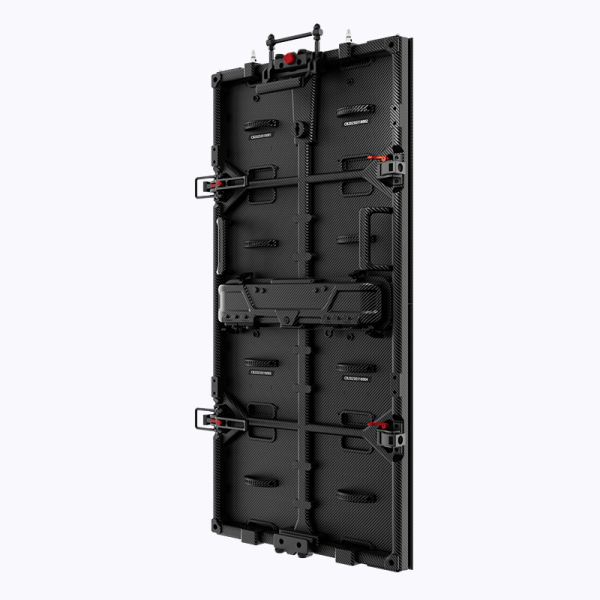
Event planners and rental companies focus first on turnaround, transport, and visual impact. A lightweight outdoor led screen that packs into road cases and unpacks quickly answers those needs directly. For most users, pixel pitch and brightness matter, but so do weight per square metre and the modularity of cabinets; those decide whether a crew can install a wall in hours or in a day.
How flexible LED answers operational constraints
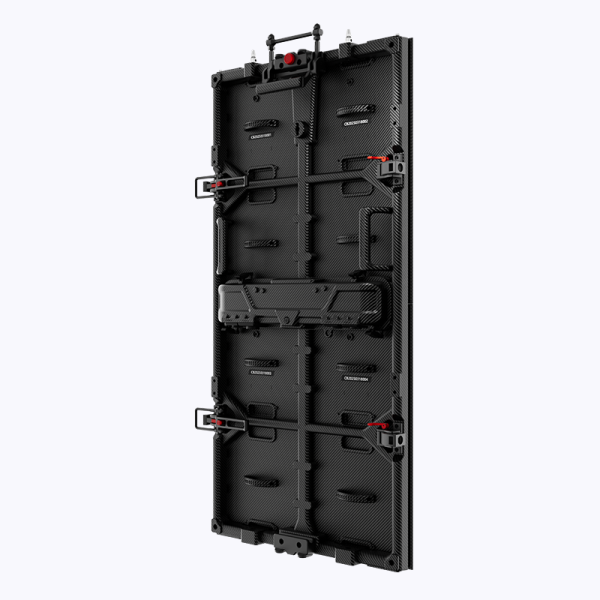
Flexible LED uses bendable modules and slim cabinets to adapt to curved stages, trusses, and temporary facades. The typical rental workflow values panels with quick-lock mechanisms and a consistent control system so any technician can swap modules without special tools. A small crew benefits from lower cabinet weight and fewer rigging points; that reduces labour hours and risk during setup, which in turn reduces cost per event.
Technical fit: what to check before you commit
Focus on three performance areas: pixel pitch, refresh rate, and ingress protection. Pixel pitch determines legibility at distance; a finer pitch suits close-view activations, a wider pitch saves budget for large outdoor walls. Refresh rate affects camera flicker when broadcasts or social streams capture the screen. IP65 or higher is the operational baseline outdoors, guaranteeing durability against rain and dust. Also confirm the power distribution and control system compatibility with your existing rental inventory.
Comparative insight: flexible vs. rigid rental boards
Rigid cabinets still win for permanent installs and massive low-cost facades, thanks to structural stability and lower cost per square metre. Flexible modules win in versatility. They bend to stages, wrap columns, and allow curved branding surfaces without custom fabrication. Where a brand needs short-term, memorable impact — a popup store, a concert, or a product launch — flexible displays reduce lead time and creative constraints.
Common mistakes rental teams make
Teams often buy on initial price without mapping the end-to-end process. This leads to mismatched connectors, incompatible control software, or insufficient spare modules on tour. Another frequent error is under-specifying brightness for ambient daylight — choosing panels with insufficient nits means poor visibility and a costly mid-tour replacement. Keep spare modules, test rigs in realistic lighting, and standardise cabling across your fleet to avoid downtime.
Real-world anchor and evidence
Times Square offers a clear demonstration: dynamic curved installations and high-brightness advertising demand robust LED systems that withstand 24/7 operation and weather. Successful campaigns there underscore the need for consistent brightness, modular maintenance, and reliable control — the same qualities rental professionals must replicate at scale. Data from large city installations repeatedly shows uptime and serviceability as primary cost drivers over initial purchase price.
Deployment checklist for rental-ready panels
Use a short checklist before any purchase or hire agreement:- Verify pixel pitch against typical viewing distances.- Confirm refresh rate and signal compatibility for broadcast capture.- Require IP rating and thermal management details.- Inspect mechanical fasteners and rigging points for quick assembly.- Standardise spare parts and power distribution components.
Three golden rules for choosing rental displays
1) Prioritise serviceability: choose modular panels with fast-replace mechanisms and clear documentation. 2) Match optics to use case: balance pixel pitch and brightness for the viewing environment rather than defaulting to the highest resolution. 3) Standardise on control and cabling to keep setup times predictable and reduce crew training hours — this is where reliability pays back across tours and campaigns.
Final thought and how Coblinks fits
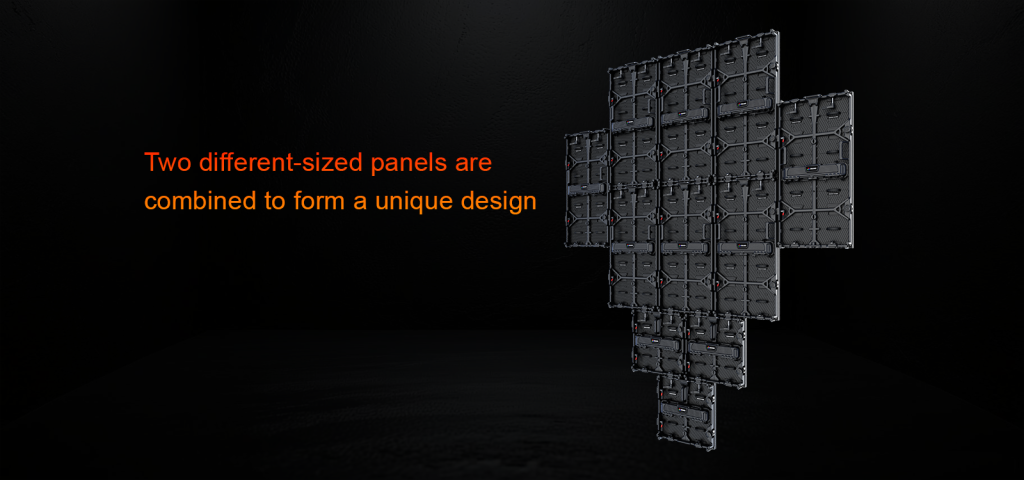
Practical, repeatable solutions win in rental environments because they reduce risk and cost over many events. Flexible panels that combine robust IP protection, consistent control systems, and rapid mechanical assembly give teams predictable outcomes — and that predictability is the real value brands buy. Coblinks provides modular options and documentation designed for those operational needs — a natural fit for rental operators seeking fewer surprises and cleaner logistics. —
